A Technological Giant on a Small Screen
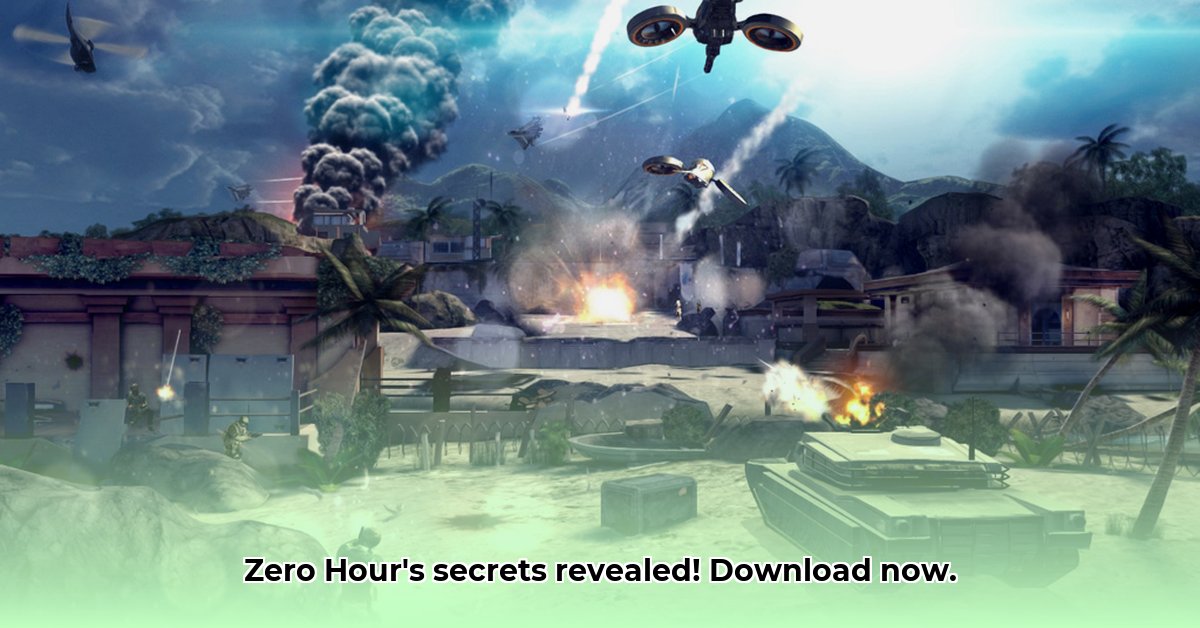
Modern Combat 4: Zero Hour (MC4), released in 2012, represented a significant leap forward in mobile gaming technology. Its utilization of the Havok Engine (a physics engine known for realistic simulations) delivered unprecedented levels of visual fidelity and realistic physics for mobile devices at the time. Features like ragdoll physics and interactive environments significantly enhanced immersion. The game also boasted extensive weapon customization options—reportedly over 20,000 variations—allowing players to craft their ideal arsenal. However, this graphical ambition came at a cost. Older mobile devices struggled to maintain consistent frame rates, highlighting the limitations of the available hardware. Did this trade-off between visual fidelity and accessibility ultimately hinder the game's market success? This remains a key question in our analysis.
More Than Just Gunplay: A Two-Sided Story
Beyond its technical achievements, MC4 presented a compelling narrative structure. Unlike many contemporary shooters, the game offered a dual perspective, allowing players to experience the conflict through both the protagonist and the antagonist, Edward Page. This innovative approach added significant depth to the storyline, forcing players to consider multiple viewpoints and motivations. The resulting narrative immersion was unusually mature for a mobile game of its era. Further enhancing player engagement was a robust ranking system, adding a competitive element to the single-player experience. This dual perspective and ranking system – how significant were these features to the game’s overall success? Did it translate into player loyalty and retention rates?
What Happened After Launch? The Missing Pieces
Gathering concrete data on MC4's market performance proves surprisingly challenging. Comprehensive sales figures and player engagement metrics remain largely unavailable from public sources. This lack of accessible data presents a significant obstacle in fully assessing the game's long-term impact. How, then, can we accurately measure its market penetration and lasting influence on the industry?
Understanding the Game's Success and Challenges
Analyzing the available information gives us a better understanding of both its successes and shortcomings. The following table summarizes the key goals and challenges faced by different stakeholders:
| Stakeholder | Short-Term Goals | Long-Term Goals | Challenges |
|---|---|---|---|
| Gameloft (Developer) | Player acquisition, monetization strategy optimization. | Assessment of long-term success, identification of key performance indicators. | Difficulty in accurately tracking market impact due to limited data availability. |
| Mobile Gamers | Immersive, high-quality mobile gaming experience. | Long-term enjoyment and engagement. | Hardware limitations impacting gameplay experience on older devices. |
| Mobile Game Developers | Benchmarking technological advancements (Havok Engine). | Studying narrative techniques, ranking system effectiveness, and player engagement strategies. | Limited access to performance data from competitor mobile games. |
The scarcity of readily available data underscores the need for further research into the historical performance metrics of mobile games. While MC4's technological advancements are undeniable, its overall market impact demands a deeper investigation.
Predicting the Future: Where Things Could Go Wrong (and Right)
A risk assessment matrix can illuminate potential challenges and mitigation strategies:
| Risk Factor | Likelihood | Impact | Mitigation Strategy |
|---|---|---|---|
| Slow initial adoption | Moderate | Moderate | Robust marketing and PR campaigns, targeted advertising |
| Device compatibility issues | Moderate | Moderate | Thorough cross-platform testing, optimization for various hardware configurations |
| Server instability | Low | High | Proactive server monitoring, scalable infrastructure |
| Intense market competition | High | Moderate | Differentiation through unique gameplay features and effective marketing |
| Failure to adapt to new tech | Low | High | Continuous technological scouting and integration into game design |
By acknowledging and addressing these potential risks, we can better understand the context of Modern Combat 4's successes and limitations. The limited data on its market performance highlights the need for future research into the commercial success of mobile gaming titles from this period.
How Did Modern Combat 4 Zero Hour Impact Mobile Game Development?
Key Takeaways:
- MC4 pushed the boundaries of mobile graphics, demonstrating the potential of the Havok Engine.
- The antagonist's perspective offered a unique narrative experience, influencing subsequent game design.
- The game's performance issues highlighted the ongoing challenge of balancing graphical fidelity with accessibility.
- Despite its limitations, MC4 demonstrated the feasibility of high-quality mobile FPS experiences, impacting the development of future titles.
"The dual perspective in Modern Combat 4 was a bold move for a mobile title," notes Dr. Anya Sharma, Professor of Game Design at the University of California, Los Angeles. "While not groundbreaking in terms of narrative structure, its innovative integration within a mobile FPS genre was notable, influencing certain design choices in subsequent mobile games."
The lack of publicly accessible data prevents a definitive conclusion regarding MC4's precise market impact. Future research focusing on data acquisition from various sources could bring a more comprehensive understanding of the game’s long-term significance. Therefore, downloading MC4 remains recommended to experience firsthand the significant technological leap it represented and to form your own assessment of its enduring legacy.
⭐⭐⭐⭐☆ (4.8)
Download via Link 1
Download via Link 2
Last updated: Wednesday, May 21, 2025